Unlock the Crypto Potential in Gaming and DeFi
Table of Contents
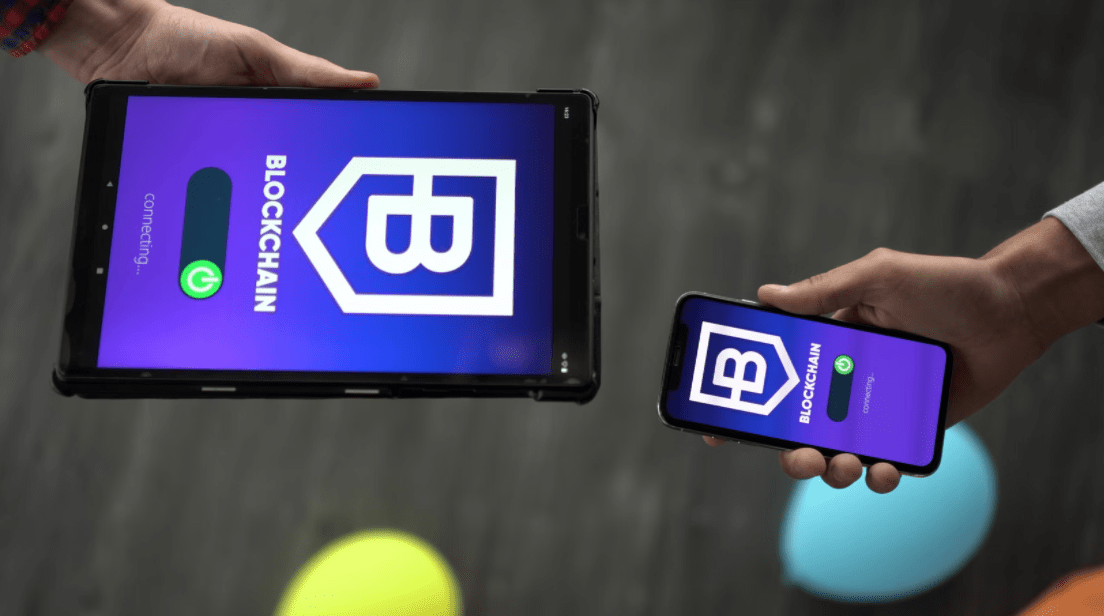
The gaming industry is one of the most lucrative in the world. According to a Global Games Market Report from Newzoo, the industry will be worth $196 billion by the end of 2022. To stay ahead, companies need to unlock the crypto potential by integrating digital currencies and decentralized platforms.
At the moment, all eyes are on eSports and gaming peripherals. These sectors are expected to meet the predictions set by market specialists. However, other sectors, like casino gaming, are also gaining attention. The gaming industry is set to reach $200 billion, while the iGaming industry will be worth $565 billion, according to PR Newswire.
This aligns with the online gaming revolution. Many gamers who once visited local casinos are now signing up for online platforms. When launching a successful real-money gaming platform, companies must focus on game variety, secure banking, strong customer support, and competitive promotions.
With decentralized finance evolving, we’re seeing a huge overlap between online casinos, blockchain, and decentralized tokens. Initially, predictions centered on crypto-enabled casinos. However, the focus is now shifting to innovative new platforms that are reshaping the entire industry.
Step One: Blockchain & Tokenization
For a platform to be considered decentralized (and crypto-ready), it needs to run on blockchain. A blockchain platform will enable each user to track all data on a distributed ledger so that there’s full transparency in each transaction.
For now, this is a major challenge for the DeFi gaming sphere, as blockchain platforms are difficult to program and rollout. Furthermore, not many users understand what blockchain is or how to download a ‘dApp’ or decentralized app that runs on blockchain.
However, once these challenges are addressed, decentralized gaming will benefit from myriad features. One of the primary features for DeFi gaming will be the usage of tokens. In an online casino, a specialized token used for in-app play can then be paid out in cryptocurrency.
In other words, rather than gaming with Bitcoin, a user would game with a company’s own currency, which then can be paid out in a variety of forms according to user interest.
Decentralized Gaming & a ‘Play-to-Earn’ Model
Decentralized gaming also has the potential to change how people game. Given the popularity of casino games, poker and slots platforms are likely to stick around, along with other staples like fantasy sports competitions. However, there’s also a new ‘play to earn’ model that will be important in a decentralized space. To truly capitalize on this shift, companies must unlock the crypto potential, allowing players to engage in a seamless, blockchain-powered experience.
A play-to-earn model lets a company create a game of any type, whether social or a classic RPG, and accrue points based on the game. From there, they can pay out users based on converting these points into a crypto or other currency.

Challenges for dApps & Web 3.0
A decentralized app (dApp) runs on blockchain and empowers the user, at least in theory. Right now, many casino dApps let users convert their winnings into crypto. However, dApps have a steep learning curve, and users are at risk of being exploited.
There’s no centralized body to verify if an app is trustworthy. While peer reviews exist, and some quality groups act as watchdogs, these challenges persist in the DeFi gaming industry.
The rollout of Web 3.0 could add complexity. This version of the internet will let users personalize how they receive information and from which sources. Google and other search engines won’t be feeding data based on previous collection.
For now, online casinos are still one of the most popular ways to game worldwide. But the audience for online gaming doesn’t necessarily overlap with those interested in DeFi. This means there will be a learning gap in the next decade. To bridge this gap, companies must unlock the crypto potential and guide players toward decentralized platforms.