Blockchain and Gaming Integration: Revolutionizing Virtual Worlds
Table of Contents
Blockchain is a once-in-a-generation technology that promises to revolutionize everything it touches. It’s like the internet, television, electricity, and the car in that it could improve communication, commerce, and open up new opportunities across industries. One exciting application of blockchain is in gaming, where it can transform the gaming world by creating new ways for players to interact, own digital assets, and earn rewards.
The first and most obvious use of blockchain was in finance, with Bitcoin becoming the first cryptocurrency. It inspired millions worldwide. That was just the beginning. Blockchain has many other use cases, including dApps, De-Fi, smart contracts, and NFTs.
Recently, there has been growing discussion about games and the metaverse. These technologies can combine with blockchain to create a new experience for players.
But do these three go well together and do they have a future?
Gaming in the Metaverse
The metaverse is a digital universe where we interact with each other, internet-based services, and other entities in 3D space.
The term comes from an early 90s sci-fi book that described a dystopian world where life moved online. Despite this negative depiction, Silicon Valley and the wider tech community have embraced the metaverse idea and worked to make it a reality. Blockchain and gaming integration plays a key role in this transformation, allowing players to own, trade, and monetize digital assets within virtual worlds.
Meta, the company formerly known as Facebook, also operates Instagram and Whatsapp. It has committed $10 billion to building its vision of the metaverse.
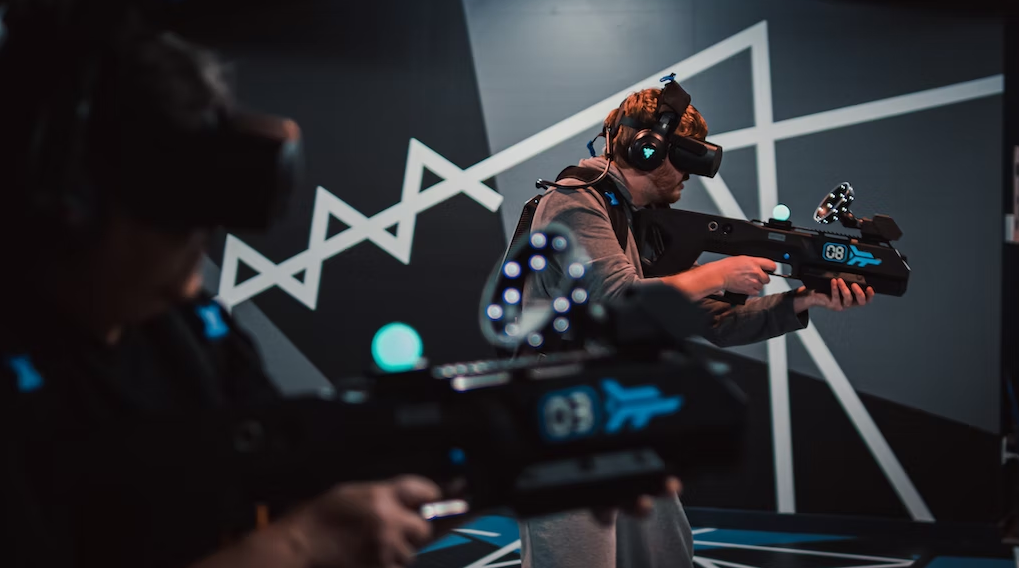
This vision includes virtual reality gaming that allows players to interact with each other in an immersive 3D world.
Some companies are ahead of Meta though. One of these is PokerStars, an online poker platform that launched its VR game several years ago. Today, players are regularly treated to new updates that add new themes for a more varied experience. One of these was the Medieval update which launched at the end of 2020, adding era-specific props and a beautiful playing environment.
Valve, the company that owns Steam, has also got a head start on many others. It has a huge library of VR games on its platform, giving players with compatible headsets an incredibly diverse experience.
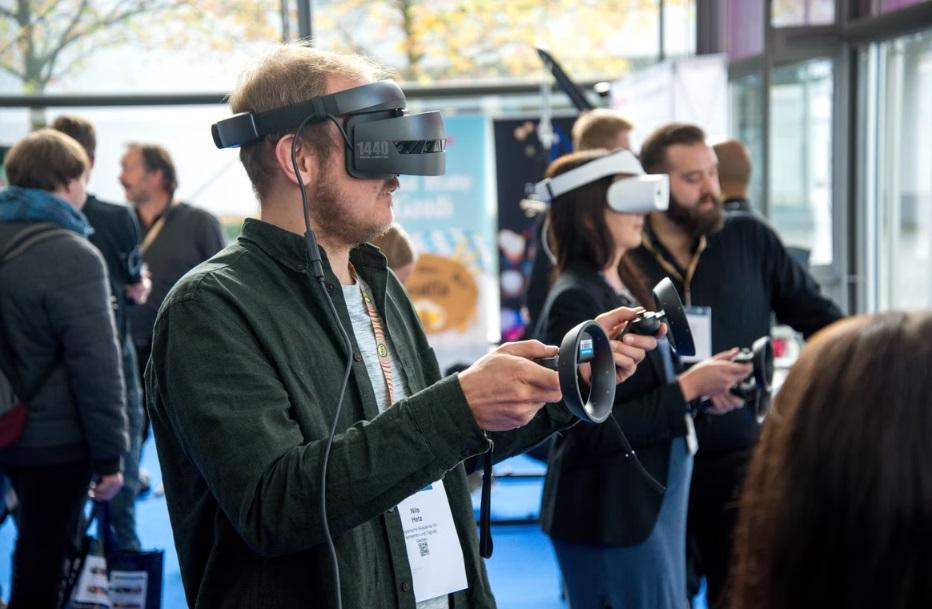
However, the metaverse could take the concept of VR gaming to an entirely new level by adding in increased interactivity and digital socialising. Early examples, like Horizon Worlds, are proving to be popular, though they are not without teething problems.
Adding the Blockchain
The blockchain is seen as the key element to enhance both the metaverse and gaming in digital worlds. Some experts believe that time spent in the metaverse will involve earning, collecting, buying, and selling digital items. Players could have their own space to display and store virtual belongings, similar to how we keep things in our homes.
Blockchain allows tracking the ownership of these items, providing proof of ownership, preventing fraud, and increasing the value of items previously owned by celebrities.
Ubisoft has started exploring this concept, though not in a VR-based metaverse. Adoption of its blockchain-based in-game items has been slow, but the company remains optimistic and aims to improve its offering.
There is clear demand as blockchain-based “pay-to-earn” games have become incredibly popular in the last couple of years, so it may just be that Ubisoft and its rivals need to just perfect their approach.
Could They Be the Perfect Combination?
There is potential for blockchain and gaming integration in the metaverse. Virtual reality gaming is already in demand, and some early adopters embrace metaverse environments on their headsets. Interest in blockchain gaming is also growing, though not all projects succeed. Integrating blockchain into gaming could provide players with true ownership of in-game assets. This would create new opportunities for interaction and commerce within virtual worlds.
Therefore, there’s certainly a possibility that combining these together could help to compound their success.