Care of Sacred Objects: Proper Cleaning and Preservation
Table of Contents
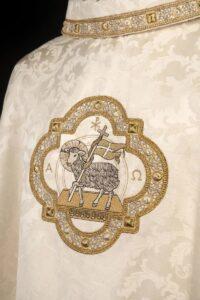
“The chalice and paten are sacred objects of fundamental importance in Catholic liturgy. During the celebration of Holy Mass, the chalice contains the wine that, through transubstantiation, becomes the Blood of Christ, while the paten receives the host, which transforms into the Body of Christ. Given their sacred function and direct contact with the Eucharistic species, the care of sacred objects requires particular attention and respect. In this article, we will explore the correct practices for cleaning and preserving the chalice and paten, ensuring that they maintain their dignity and integrity over time. For the care of sacred furnishings, visit our website HaftinaUSA.com, where you will find a wide range of dedicated products.”
The Importance of Caring for Sacred Objects
“The care of sacred objects and the chalice and paten is not just a matter of hygiene or aesthetics, but also an act of reverence towards the Blessed Sacrament. Keeping these objects clean and well-preserved reflects the respect and devotion of the Christian community towards the mystery of the Eucharist. A gleaming chalice and an immaculate paten contribute to creating an atmosphere of sacredness and solemnity during Mass, elevating the spiritual experience of the faithful.”
Furthermore, proper maintenance prevents damage and wear, ensuring that these objects can be used for many years to come. Neglect in cleaning and preservation can lead to the formation of stains, corrosion, and other problems that compromise their integrity and beauty. Therefore, it is essential to adopt appropriate cleaning and preservation practices to preserve the value and sacredness of the chalice and paten.
Materials and Tools Needed for Cleaning
Before cleaning the chalice and paten, it’s essential to prepare the necessary materials and tools. Using the wrong products can damage the surface and compromise their sacredness. Below is a list of recommended materials:
Lukewarm water: Ideal for removing wine and host residues without causing damage.
Neutral soap: Use a mild soap, free from perfumes and dyes. This prevents chemical residues.
Soft cloth: A microfiber or linen cloth is perfect for drying and polishing without scratching.
Soft-bristled brush: A soft brush reaches tough spots, like engravings and decorations.
Silver cleaning product (if needed): If made of silver, use a specific silver cleaner, following instructions carefully.
Cotton gloves: Wear gloves to avoid fingerprints and stains on the objects.
Avoid abrasive products, sponges, bleach, and harsh detergents. These can cause irreparable damage. Always choose gentle materials and specific products for sacred objects.
Chalice Cleaning Procedure
The cleaning of the chalice must be carried out with care and respect, following a precise procedure to ensure the removal of all residues and the preservation of its beauty. Here are the steps to follow:
Rinse the chalice: After each use, immediately rinse the chalice with lukewarm water to remove wine residues. This prevents the formation of stains that are difficult to remove later.
Wash with neutral soap: Fill a sink or basin with lukewarm water and add a few drops of neutral soap. Immerse the chalice in the soapy water and wash it gently with a soft cloth or a soft-bristled brush, paying particular attention to the most difficult-to-reach areas.
Rinse thoroughly: Rinse the chalice under running lukewarm water to remove all traces of soap. Make sure there are no soap residues left, as they could alter the taste of the wine during the celebration of Mass.
Dry with a soft cloth: Dry the chalice with a soft, clean cloth, being careful not to scratch the surface. Use a microfiber or linen cloth to achieve a shiny finish.
Polish (if necessary): If the chalice is made of silver and has stains or opacity, you can use a specific silver cleaning product to polish it. Carefully follow the manufacturer’s instructions and use a soft cloth to apply and remove the product.
After cleaning, make sure the chalice is completely dry before storing it. Residual moisture can promote the formation of stains and corrosion.
Paten Cleaning Procedure
The cleaning of the paten follows a similar procedure to that of the chalice, but with some specific differences. Care of sacred objects requires special attention even when cleaning the paten. Here are the steps to follow:
Remove host residues: After each use, gently remove host residues from the paten with a soft cloth or a soft-bristled brush.
Wash with neutral soap: Fill a sink or basin with lukewarm water and add a few drops of neutral soap. Immerse the paten in the soapy water and wash it gently with a soft cloth, paying particular attention to the areas where host residues have accumulated.
Rinse thoroughly: Rinse the paten under running lukewarm water to remove all traces of soap. Make sure there are no soap residues left, as they could alter the taste of the host.
Dry with a soft cloth: Dry the paten with a soft, clean cloth, being careful not to scratch the surface. Use a microfiber or linen cloth to achieve a shiny finish.
Polish (if necessary): If the paten is made of silver and has stains or opacity, you can use a specific silver cleaning product to polish it. Carefully follow the manufacturer’s instructions and use a soft cloth to apply and remove the product.
As with the chalice, make sure the paten is completely dry before storing it. Residual moisture can promote the formation of stains and corrosion.
Preservation of the Chalice and Paten
Proper preservation of the chalice and paten is essential to maintain their beauty. Here are some helpful tips:
Store in a safe place: After cleaning, place the chalice and paten in a dry, safe area. Keep them away from humidity and heat. A dedicated cabinet or display case works well.
Use protective cases: To avoid scratches and dust, store the objects in protective cases. Fabric or leather cases, custom-made to fit, are ideal.
Avoid corrosive substances: Keep the chalice and paten away from acids, solvents, and chemicals. These can cause irreparable damage.
Check periodically: Regularly inspect the objects for signs of wear, stains, or corrosion. Prompt intervention helps prevent major issues.
Rely on professionals: For significant damage, trust experts in the repair and restoration of liturgical objects.
The Importance of Respect and Care
The care of sacred objects is an act of respect and devotion towards the Blessed Sacrament. Keeping these objects clean and well-preserved reflects the love and reverence of the Christian community towards the mystery of the Eucharist. A gleaming chalice and an immaculate paten contribute to creating an atmosphere of sacredness and solemnity during Mass, elevating the spiritual experience of the faithful.
Furthermore, proper maintenance prevents damage and wear, ensuring that these objects can be used for many years to come. Neglect in cleaning and preservation can lead to the formation of stains, corrosion, and other problems that compromise their integrity and beauty. Therefore, it is essential to adopt appropriate cleaning and preservation practices to preserve the value and sacredness of the chalice and paten.
Where to Buy High-Quality Chalices and Patens
If you are looking for high-quality chalices and patens, made with precious materials and finished with artisanal care, we invite you to visit our website HaftinaUSA.com. We offer a wide range of chalices and patens in different styles and materials, suitable for every need and budget. Our products are made in accordance with liturgical traditions and with the utmost attention to quality and beauty. Care of sacred objects is an integral part of our commitment to ensuring that each chalice and paten maintains its dignity and integrity. Visit HaftinaUSA.com to discover our complete collection and find the perfect chalice and paten for your community.
On HaftinaUSA.com you will also find a wide selection of other liturgical items, including sacred vestments, altar furnishings, and devotional objects. We are the ideal partner for all your liturgical needs.